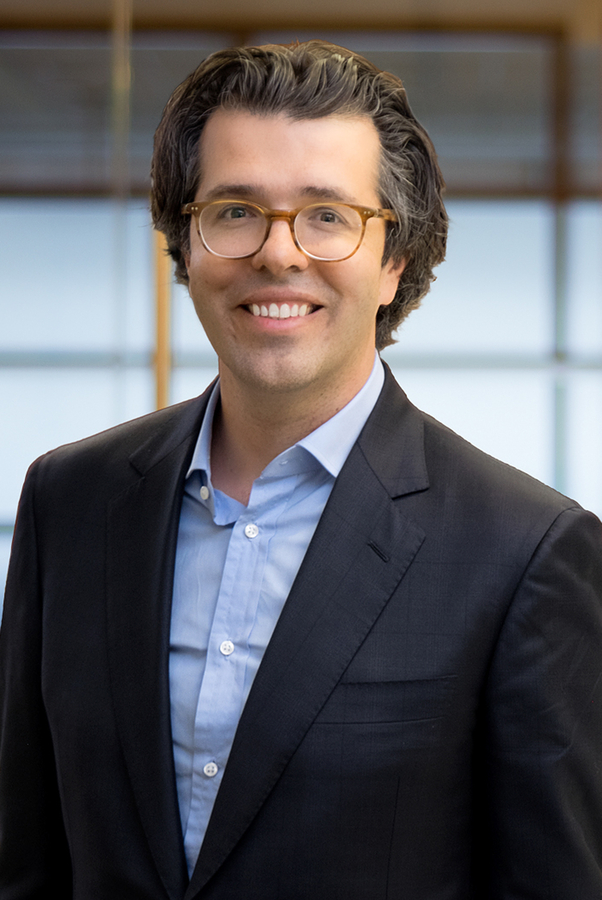
Los Angeles-based trial lawyer Jason Sheasby says many of the biggest business risks start as small operational blind spots that companies ignore until it is too late.
LOS ANGELES, CA, June 11, 2026 /24-7PressRelease/ — Technology companies are spending heavily on growth, speed, and innovation. According to trial lawyer Jason Sheasby, many are overlooking a quieter problem developing beneath the surface: invisible operational risk.
These risks often do not appear in quarterly reports or product launches. They surface later. Sometimes during litigation. Sometimes during scaling. Sometimes, during internal breakdowns that companies never anticipated.
“The dangerous risks are usually the ones no one treats like risks,” Sheasby said. “By the time they become visible, the cost is already high.”
As a partner at Irell & Manella LLP, Sheasby has worked on high-stakes disputes involving computer memory systems, data infrastructure, contracts, and intellectual property. Across those cases, he has seen recurring patterns. The problems rarely begin with a dramatic event. They often start with small gaps in process, communication, or documentation.
IP Exposure Often Starts Earlier Than Companies Think
Intellectual property disputes remain one of the fastest-growing pressure points in technology. Global patent filings now exceed 3 million applications annually, according to the World Intellectual Property Organization. At the same time, companies are moving products to market faster than ever.
That combination creates friction.
“In several cases, the underlying issue was not whether the technology worked,” Sheasby said. “It was whether the company understood the IP environment it was building into.”
He noted that many product teams still treat intellectual property as a legal issue addressed late in development rather than an operational issue considered early on.
“One company had built an excellent system,” he said. “The problem was they designed directly into another company’s patent space without realizing it. The redesign came after launch. That is the most expensive moment to discover a problem.”
Documentation Gaps Create Hidden Exposure
Documentation is another area where invisible risk develops quietly.
Fast-growing companies often prioritize speed over process. Teams move quickly. Decisions happen informally. Records become inconsistent.
That approach can create serious problems later.
“In litigation, missing documentation changes everything,” Sheasby said. “People assume they will remember why decisions were made. They rarely do.”
Industry studies have shown that poor internal documentation contributes significantly to operational disputes and compliance failures. In complex technical environments, undocumented changes can affect ownership, accountability, and even product defensibility.
One dispute Sheasby worked on turned heavily on development records.
“The side with the clearer record of how the product evolved had a major advantage,” he said. “The technology mattered. The documentation mattered more than people expected.”
Communication Failures Scale Faster Than Products
As companies grow, communication systems often fail before the product does.
Teams become larger. Specialization increases. Engineers, legal teams, executives, and operations groups start speaking different languages internally.
Those gaps create operational drag. They also create risk.
“A lot of problems start because one group assumes another group is handling something,” Sheasby said. “Nobody realizes the gap until pressure hits.”
Research from the Project Management Institute has estimated that ineffective communication is a major contributor to failed projects across industries. In technology companies, the effect intensifies as systems become more interconnected.
One company involved in a dispute discovered late in development that critical assumptions about licensing obligations had not been communicated across teams.
“Everyone thought someone else had checked it,” he said. “That misunderstanding became very expensive.”
Scaling Multiplies Weak Systems
Rapid scaling creates another form of invisible risk. Processes that function well with 20 people often fail with 200.
What worked informally during early growth becomes unstable at scale.
“Small operational shortcuts become structural problems later,” Sheasby said. “Growth amplifies whatever is already weak.”
This includes everything from product review processes to approval structures and recordkeeping systems.
Companies focused heavily on expansion often underestimate how quickly complexity compounds.
One recurring issue Sheasby sees involves teams adding layers of process without clear ownership.
“More process does not automatically create more control,” he said. “Sometimes it just creates confusion.”
AI and Automation Are Changing the Risk Landscape
Artificial intelligence is accelerating many of these pressures.
AI tools now help companies move faster, analyze information more quickly, and automate routine tasks. At the same time, they increase the volume of decisions being made.
That speed can temporarily hide weak systems.
“AI can help identify patterns,” Sheasby said. “It does not fix unclear accountability or poor communication.”
He believes many organizations still underestimate the operational strain created when technology moves faster than internal alignment.
“The systems supporting the company have to mature at the same pace as the technology,” he said. “That is where many businesses fall behind.”
Looking Beyond Immediate Growth
Sheasby says the companies best positioned long term are often the ones paying attention to operational clarity early, before problems become visible.
The goal is not to eliminate risk entirely. That is unrealistic in fast-moving industries. The goal is to recognize how small issues compound over time.
“Most operational failures don’t arrive all at once,” he said. “They build quietly in the background until something forces them into the open.”
About Jason Sheasby
Jason Sheasby is a Los Angeles-based partner at Irell & Manella LLP focusing on high-stakes intellectual property and complex commercial litigation involving advanced technologies. He has served as lead or co-lead counsel in major technology disputes involving computer memory systems, data infrastructure, and patent licensing. In addition to his legal work, he is a founder of TORL Biotherapeutics and serves on the Board of Trustees at Pomona College.
—
For the original version of this press release, please visit 24-7PressRelease.com here
Legal Disclaimer: This article was provided by an independent third-party content provider. Kyrion Media makes no warranties or representations in connection with it. All information is provided “as is” without warranty of any kind. This content may not have been reviewed by our editorial staff and is published automatically. The views expressed in this article are those of the author and do not necessarily reflect the views of Kyrion Media. All trademarks are the property of their respective owners. If you are affiliated with this article and would like it removed, please contact retract@kyrionmedia.com.